Community Engagement: The Heart of Sustainable WASH
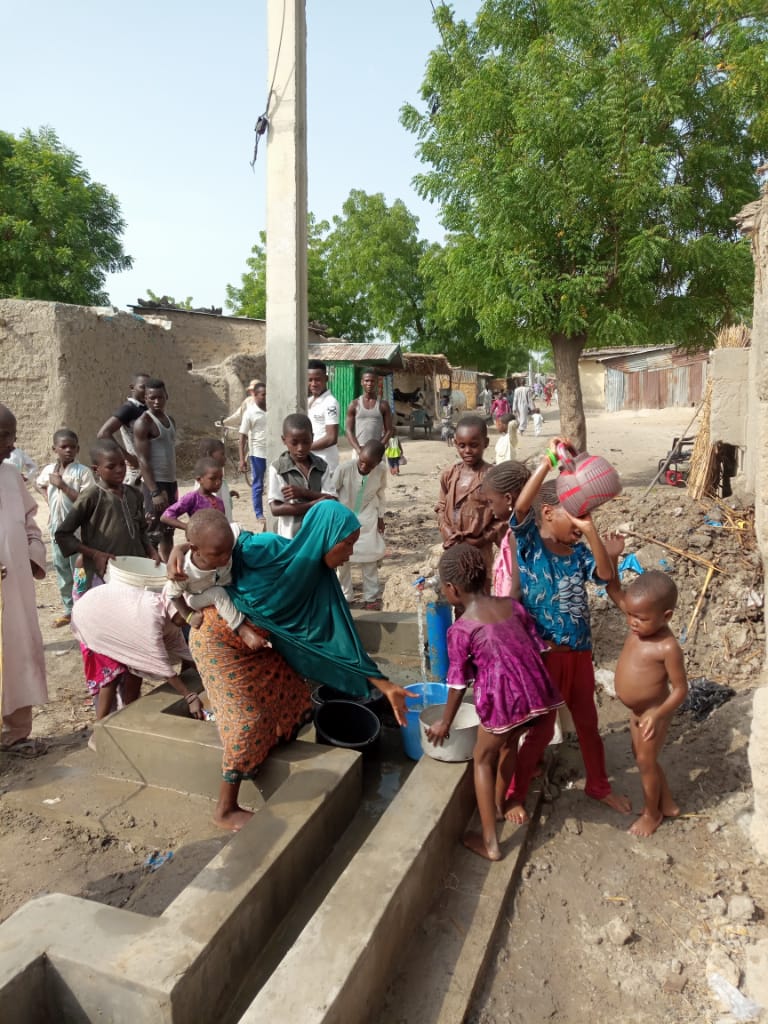
Successful rural water and sanitation programmes require the active participation of the people they are designed to serve. Community engagement creates opportunities for residents to understand proposed interventions, communicate their needs and participate in decisions concerning local water and sanitation facilities. It can also encourage a stronger sense of ownership and responsibility for protecting infrastructure after projects have been completed. RUWASSA recognises the importance of working with communities and relevant stakeholders to promote sustainable Water, Sanitation and Hygiene (WASH) outcomes. When communities participate in protecting water facilities, promoting hygiene and reporting maintenance problems, infrastructure has a better chance of delivering long-term benefits.
Ensuring Safe Water Through Quality Monitoring

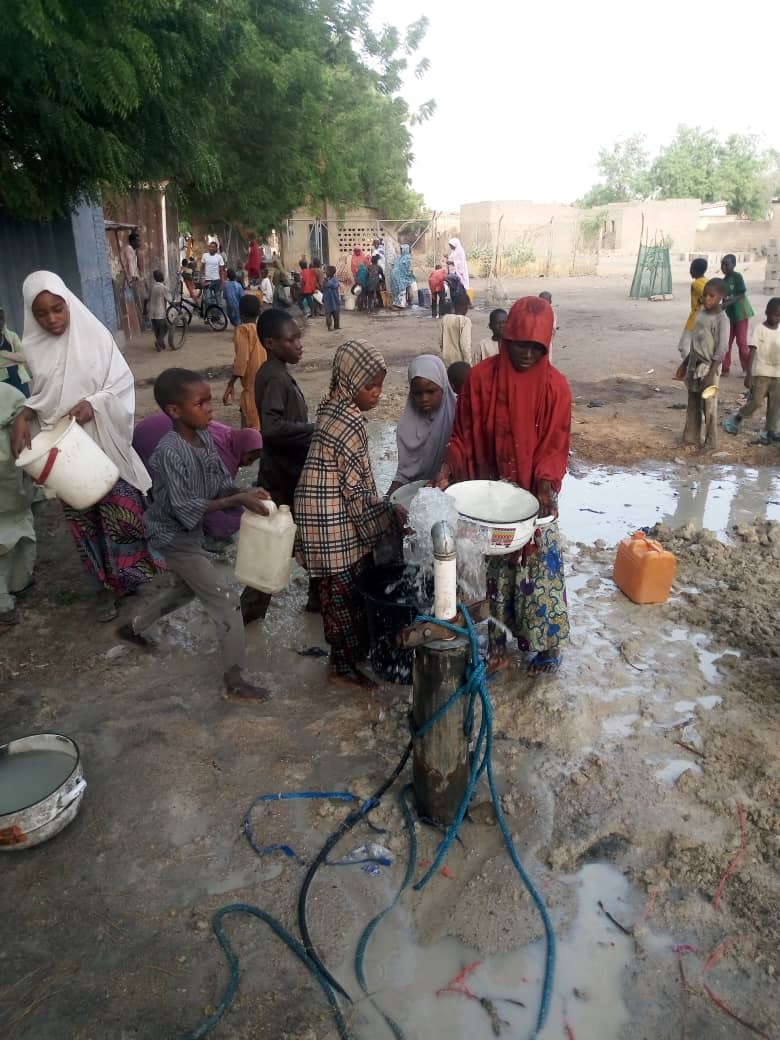
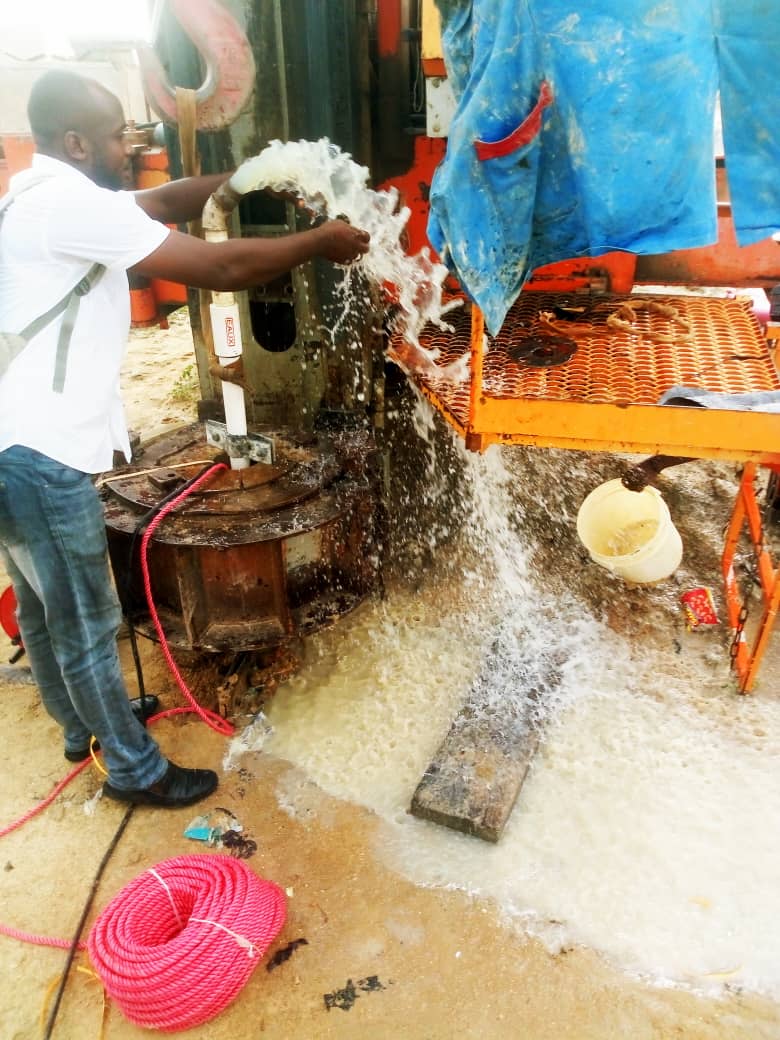
Clean water is essential for protecting public health. Water sources can become contaminated at different stages, making regular monitoring an important component of sustainable water supply. Water quality monitoring helps identify potential problems and supports appropriate corrective measures before they pose greater risks to communities. RUWASSA promotes water safety through monitoring, testing and appropriate treatment practices, including chlorination where required. Protecting water quality also requires good sanitation practices around water points. Communities therefore have an important role in keeping water facilities and their surroundings clean. By combining infrastructure development with water quality monitoring, safer and more sustainable water services can be delivered to rural communities.

Borehole Rehabilitation: Restoring Access to Clean Water

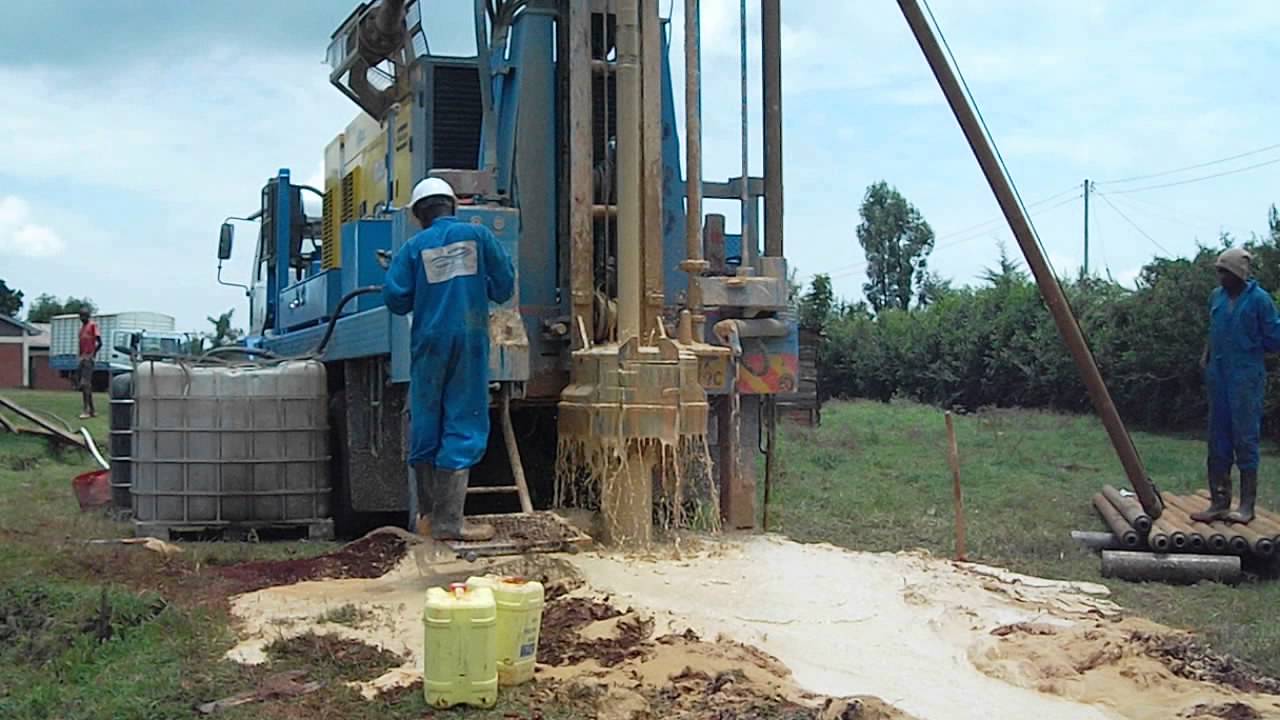
A borehole can serve a community for many years, but pumps, pipes, storage systems and other components require regular inspection and maintenance. When an existing facility becomes non-functional, rehabilitation can often restore water access more efficiently than abandoning the infrastructure entirely. RUWASSA’s operations and maintenance activities focus on promoting the continued functionality and sustainability of rural water facilities. Beyond repairing infrastructure, sustainable maintenance also requires community participation, responsible facility management and early reporting of faults. Through proper maintenance and rehabilitation, rural water infrastructure can continue providing essential services to the communities that depend on it.

Investing in Rural Water Infrastructure for a Better Tomorrow

Reliable access to safe water plays an important role in improving the quality of life in rural communities. It supports better health, improves sanitation and reduces the time families spend searching for water. The Rural Water Supply and Sanitation Agency (RUWASSA), Borno State, works to improve access to sustainable water supply through the development and support of appropriate water infrastructure for rural communities. Water facilities such as boreholes, storage tanks, distribution systems and solar-powered schemes can provide communities with dependable sources of clean water when they are properly designed, operated and maintained. RUWASSA remains committed to supporting sustainable solutions that strengthen water access and contribute to healthier and more resilient communities throughout Borno State.