Community Engagement: The Heart of Sustainable WASH
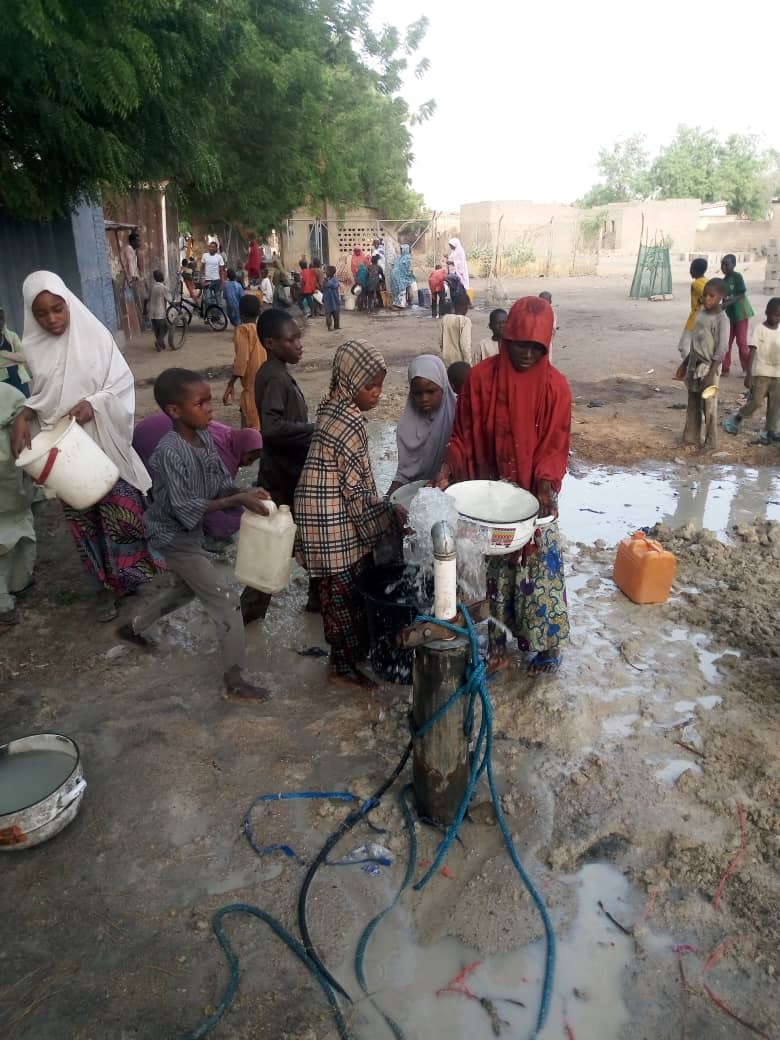
Successful rural water and sanitation programmes require the active participation of the people they are designed to serve. Community engagement creates opportunities for residents to understand proposed interventions, communicate their needs and participate in decisions concerning local water and sanitation facilities. It can also encourage a stronger sense of ownership and responsibility for protecting infrastructure after projects have been completed. RUWASSA recognises the importance of working with communities and relevant stakeholders to promote sustainable Water, Sanitation and Hygiene (WASH) outcomes. When communities participate in protecting water facilities, promoting hygiene and reporting maintenance problems, infrastructure has a better chance of delivering long-term benefits.